
MMBA MEMBER ENTERS CANNABIS RETAIL
A Minnesota Municipal Beverage Association (MMBA) member has entered the retail cannabis space.
Anoka Cannabis Company is a city-owned and operated cannabis dispensary proudly serving Anoka, Minnesota and surrounding communities.
Their mission is to provide safe, controlled, equitable, and community-centered access to high-quality cannabis products through education, integrity, and care; fostering wellness and responsible use in the city of Anoka.
Fully owned and operated by the City of Anoka, 100% of profits will be reinvested directly back into the community.
Learn more at:
MINNESOTA MUNICIPAL BEVERAGE ASSOCIATION MEMBERSHIP
Members of the Minnesota Municipal Beverage Association (MMBA) represent a unique form of alcohol control jurisdiction.
- All members sell wine, spirits and BEER.
- Over half of the jurisdictions sell both off-premise (package store) and ON-PREMISE (bars).
Learn more about our members, grow your knowledge, gain some wisdom and share a laugh by subscribing to our FREE weekly newsletter.
Click here for a recent edition and to sign up.
MINNESOTA MUNICIPAL BEVERAGE ASSOCIATION
The Minnesota Municipal Beverage Association represents Minnesota alcohol control jurisdictions.
In existence since 1934, the Minnesota Municipal Beverage Association (MMBA) is a statewide association of municipally owned and operated on-sale and off-sale alcohol beverage facilities.
Each day, MMBA members promote moderation and control in the sale and use of alcohol beverages – while simultaneously generating income for their community.
Each year, Minnesota's municipal beverage facilities generate approximately $423 million in sales and contribute approximately $36 million in net-profits to various city funds.
MMBA's primary purpose is to help members operate their facilities more efficiently and economically through education and consultation.
In addition, MMBA serves as an information resource for the beverage industry and the general public.
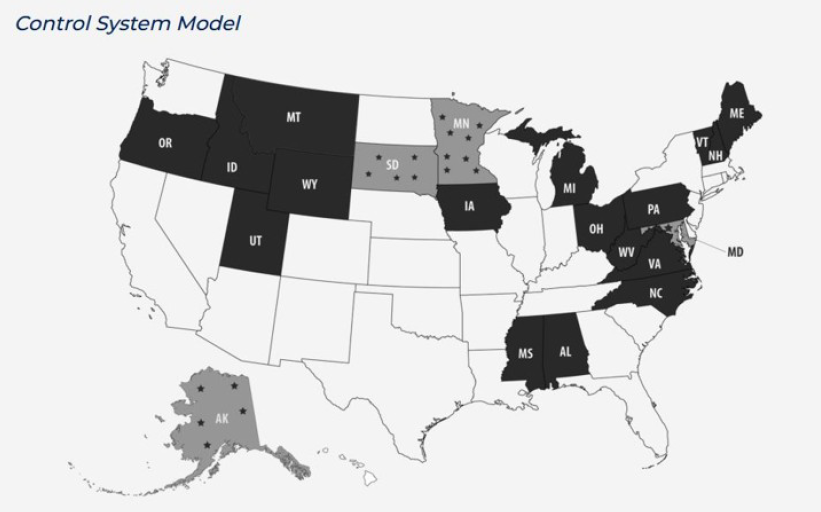
In Minnesota, 176 cities operate municipal liquor stores, maintaining a retail monopoly or "control" over alcohol sales within their jurisdictions. While most are located in Greater Minnesota, 18 cities within the Seven-County Metro Area also maintain municipal operations. Below are the primary counties that include cities with municipal liquor control, categorized by region:
Mission Statement
|
-
Utilizing a variety of tools and methods, educate MMBA membership on current, future and past industry information, trends, strategies and events.
-
Stimulate membership to take action which will help them succeed in today's marketplace.
-
As an individual organization, promote and introduce legislation which is specifically beneficial to municipal liquor operations - and oppose/attempt to change legislation which is specifically harmful thereto.
-
Assist other organizations in promoting and introducing legislation which is beneficial to the overall retail liquor industry - and oppose/attempt to change legislation which is harmful thereto.
-
Promote the important and unique advantages of municipal liquor operations in today's marketplace.
Summary Sheet
Municipal liquor stores started after Prohibition as a means for cities to control the distribution of alcohol in their communities. Later, cities found their municipal liquor store could be a method of generating needed non-tax revenue. Today, the purpose of municipal liquor stores is to "control the distribution of alcohol - while simultaneously generating income for the community."
"Controlling the sale of alcohol" is different than "responsible service." All alcohol sellers should serve responsibly - don't sell to underage or intoxicated individuals. Controlling the sale of alcohol means reflecting a community attitude - often resulting in a strategic and publicly supported reduction in liquor operation revenue.
Off-sale municipal liquor operations have geographic exclusivity but not competitive exclusivity. This competition has caused municipal liquor operations to become more business savvy - with the goal of encouraging customers to purchase at the municipal liquor operation, instead of somewhere else.
There are 210 cities with off-sale or on-sale / off-sale combination municipal liquor operations, operating 242 facilities. Sales range from approximately $120,000 to over $14 million per year. Total annual sales are approximately $300 million with total annual profits of approximately $20 million. Profits are used by cities for general fund activities or special projects including recreation programs, elderly transportation and public safety equipment.
Sales have increased over the past decade and the trend is continuing.
The strong trend in large cities and small towns is to remodel and / or expand existing facilities and build new facilities.
Municipal liquor operations can advertise, promote, price etc. like independently owned operators. However, because of the "alcohol control" element, municipal liquor operators may choose not to engage in certain, otherwise legal, activities.